

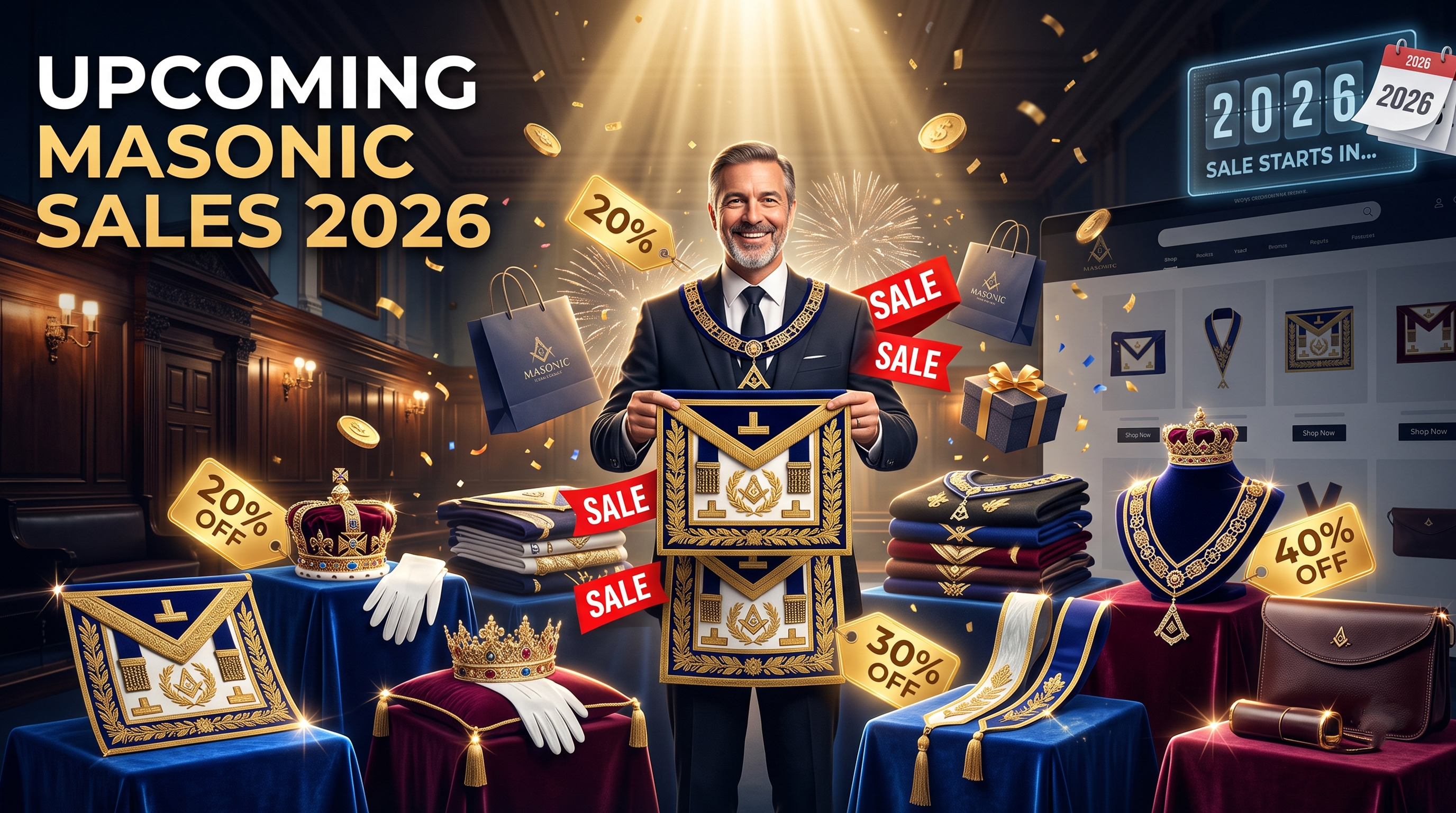
Upcoming Masonic Sales 2026
Planning to buy premium Masonic regalia in 2026? Explore the upcoming sales calendar from August onward and discover the best times to save on aprons, fez hats, collars, gloves, and personalized Masonic accessories.
uying your first Masonic regalia can feel overwhelming. I remember staring at all the different aprons, collars, and sashes and asking myself, "What Masonic regalia do I need?" I didn’t want to make a mistake, especially when tradition and symbolism hold so much meaning. This blog will walk you through everything I learned during my decision-making process — from research and expert advice to my final purchase. If you're a new Freemason or someone looking to upgrade, this detailed guide is just for you.
Masonic regalia refers to the traditional garments, symbols, and accessories worn by Freemasons during lodge meetings and ceremonies. This includes aprons, collars, gloves, sashes, and jewels. Each item has deep symbolic meaning, reflecting a Mason's rank, role, or degree.
Freemason attire explained simply: it's a blend of symbolism, tradition, and identification. Regalia signifies rank, achievements, and one’s journey within the fraternity. It also promotes uniformity during rituals.
Different degrees in Masonry come with distinct responsibilities and symbolism. The Entered Apprentice (EA), Fellowcraft (FC), and Master Mason (MM) each require different aprons and jewels to distinguish their roles.
Entered Apprentice: Basic design, often plain white.
Fellowcraft: Slightly more detailed, showing progression.
Master Mason: Intricate symbols with blue edging.
Past Master: Symbolic of experience and leadership.
Provincial and Grand Lodge: Highly detailed and often customized.
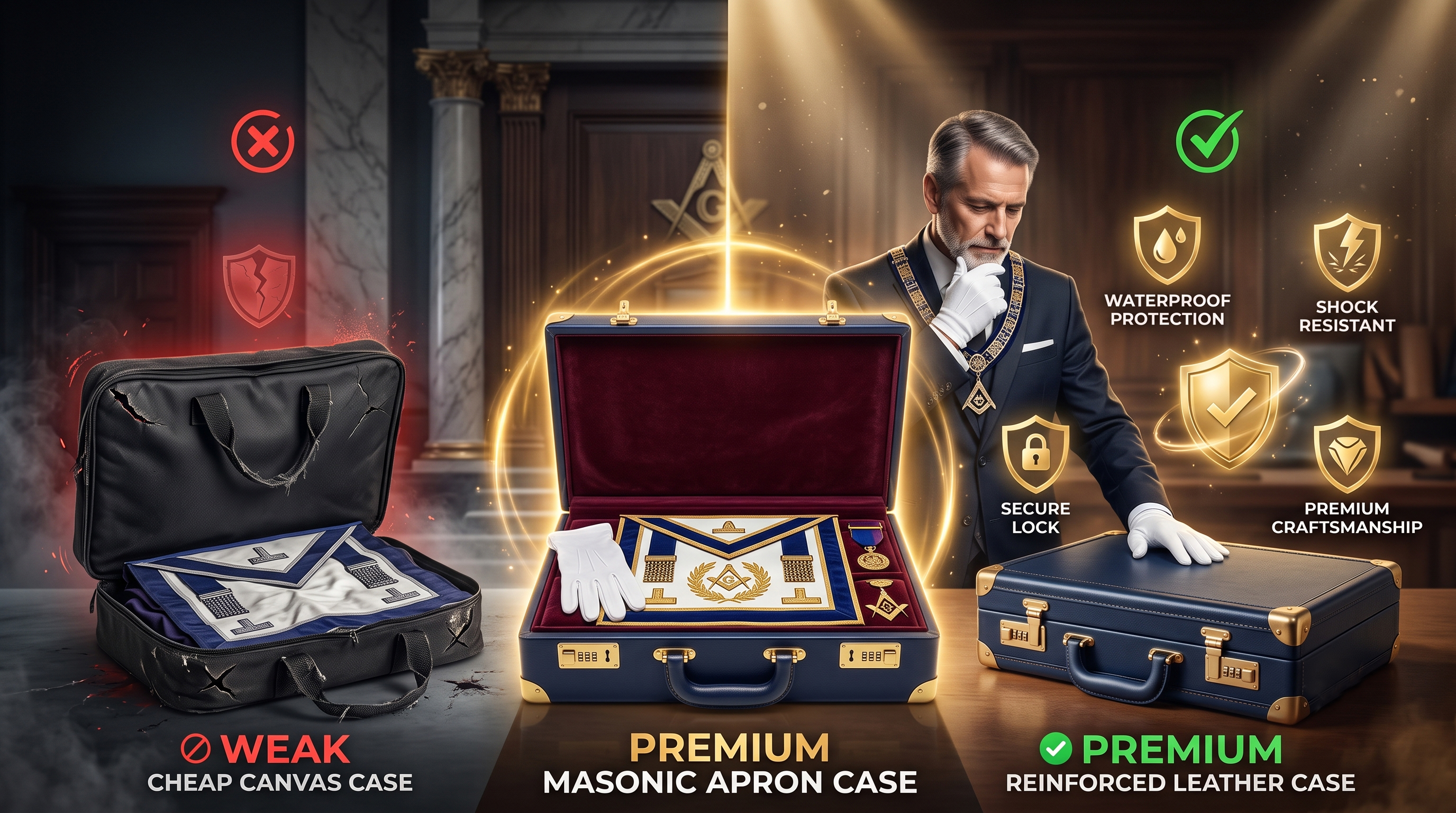
Explore Apron Cases to protect your valuable regalia.
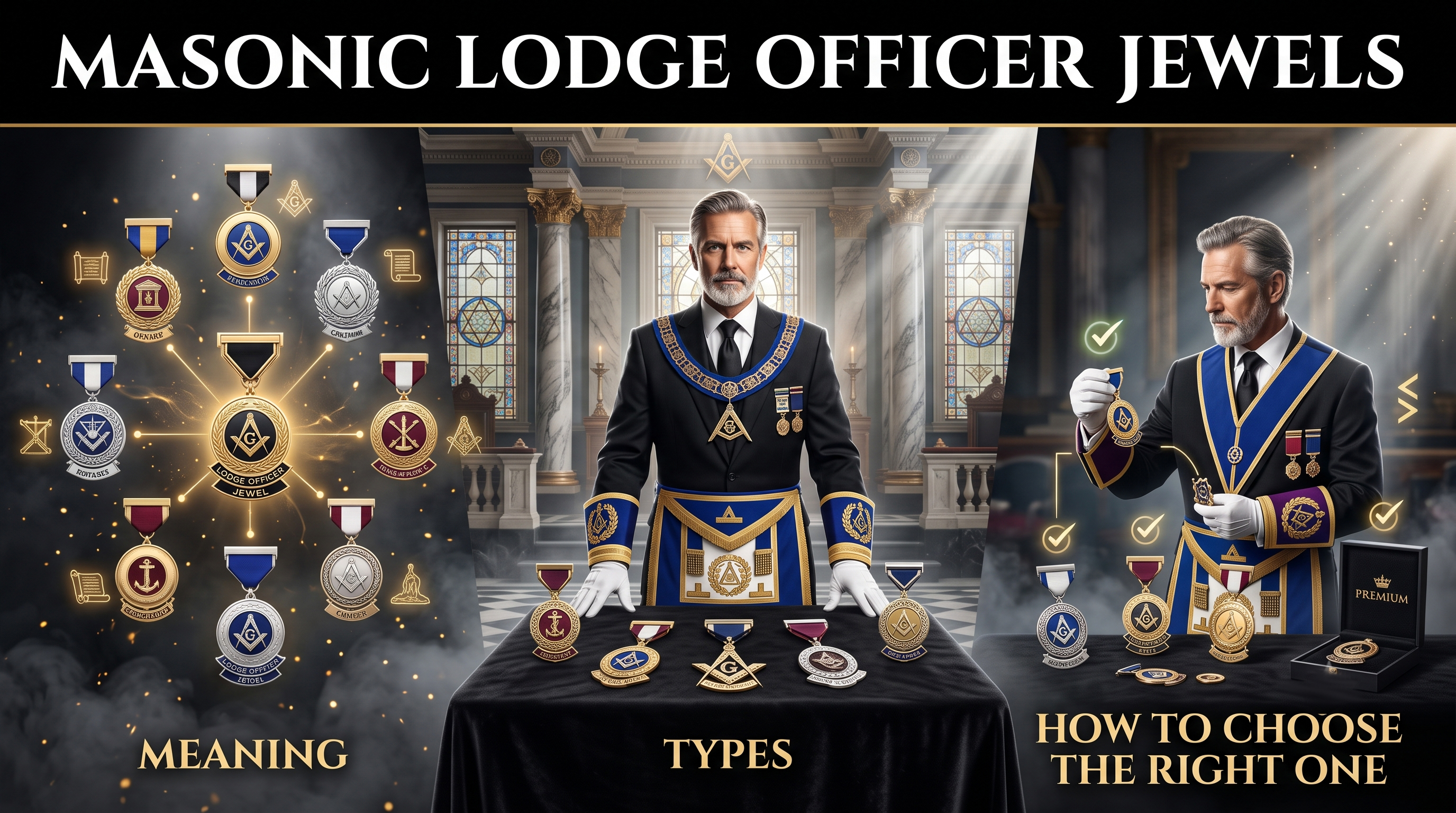
These accessories complete the uniform and differ by rank and order. Gloves signify purity. Jewels represent office or achievement. Sashes and collars are rich with meaning.
Craft Lodge (Blue Lodge)
Royal Arch
Knights Templar: Full uniforms available at Trendwall Shop
Scottish Rite
Shop All Masonic Crowns and Fez Caps for appendant bodies.
One of the biggest questions I had was: "How do I know which Masonic regalia is right for my rank?" Always check your lodge guidelines and only wear regalia suitable to your current degree.
Many first-time buyers mistakenly purchase higher-degree aprons. I almost did the same. Consult senior brethren or your lodge secretary.
Progression in Masonry is both symbolic and literal. As you advance, you should upgrade your regalia to reflect your growth. Consider this a rite of passage.
Buying before understanding lodge dress codes
Prioritizing style over symbolism
Choosing low-quality items for short-term savings
Not checking sizing and returns policy (especially online)
These are the same mistakes I almost made until I turned to a reliable regalia buying guide.
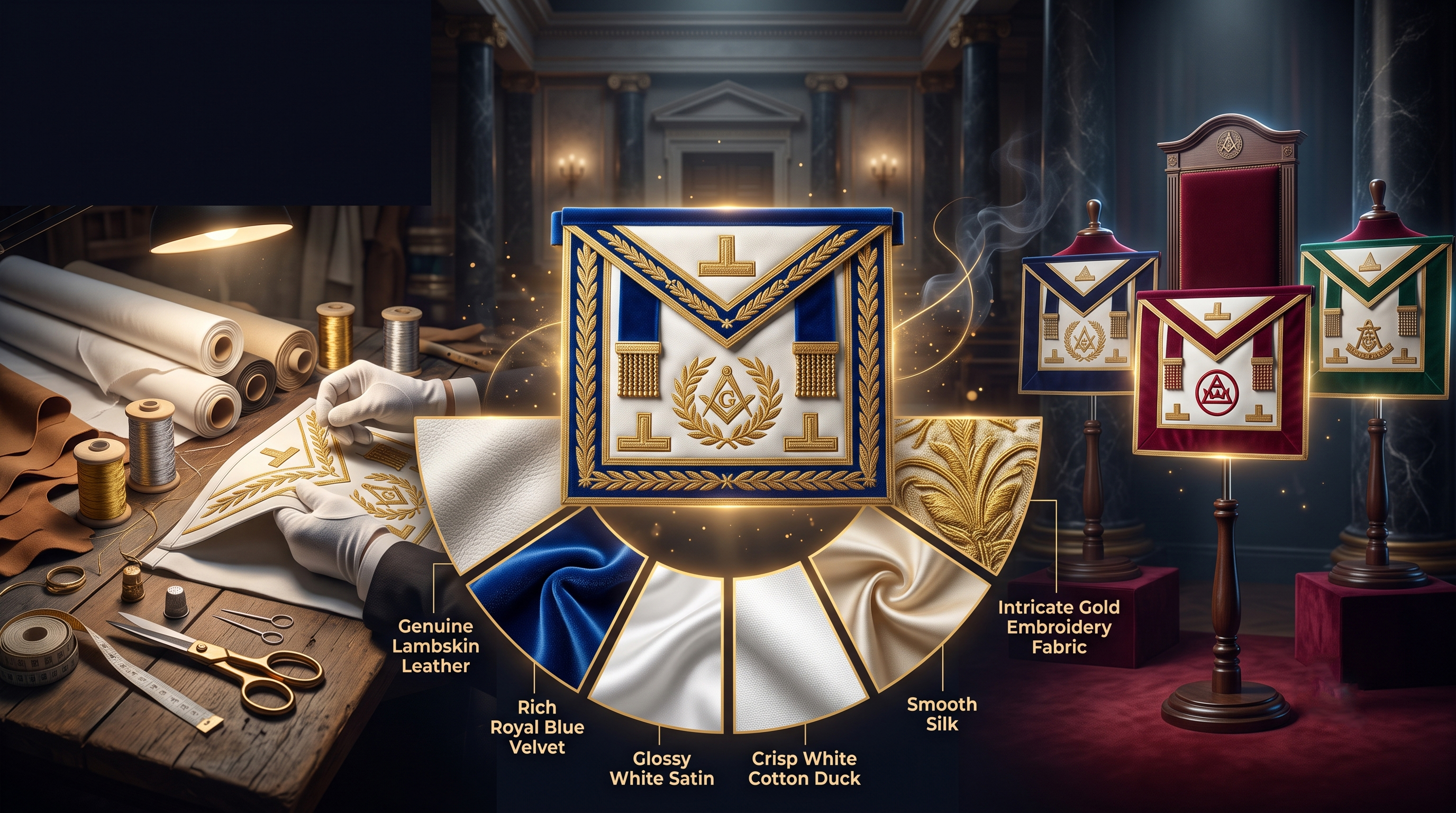
Lambskin: Traditional and premium
Leather: Durable and classic
Synthetic: Affordable but less authentic
Hand-embroidered: Superior craftsmanship and durability
Machine-embroidered: Economical for beginners
Tight stitching
Quality lining
Metal (not plastic) jewels
Symbol accuracy
Personalization (name, lodge number, rank)
Unique and symbolic
Excellent fit and representation
Standard items are suitable for beginners or those on a budget. Trendwall Shop offers both standard and personalized regalia.
You can opt for embroidered lodge names, dates, or meaningful symbols for your Masonic apron. Consider a custom Masonic apron purchase.
Pros:
Wider variety
Easy comparisons
Access to reviews
Cons:
Risk of poor quality
Sizing issues
I chose Trendwall Shop because it offers:
Clear sizing
Easy return policy
Affordable Masonic regalia
Return and exchange policy
Product materials
Customer reviews
Delivery time
Basic Apron: $30 - $60
Premium Handcrafted: $100 - $300
Yes, for long-term use, better presentation, and respect to the craft.
Buy gradually
Prioritize essentials first
Consider regalia sets
Shop Freemason regalia and compare Masonic regalia for all budgets.
“How do I know which Masonic regalia is right for my rank?”
Check your current degree and ask senior brethren or lodge secretary.
“What’s the difference between various Masonic aprons or sashes?”
Each symbolizes a rank or office; design and embroidery vary.
“What should I look for when buying regalia online?”
Authenticity, materials, seller reviews, and return policies.
“Do different lodges require different regalia styles?”
Yes, consult your lodge to ensure you meet dress code expectations.
“Can someone recommend a good place to buy affordable Masonic regalia?”
I highly recommend Trendwall Shop for both price and quality.
“I’m new to Freemasonry — what regalia did you get first?”
An Entered Apprentice apron and gloves.
“Did anyone else feel overwhelmed choosing their regalia?”
Absolutely, I did too. Research and guidance helped immensely.
“Did you buy your regalia set all at once or piece by piece?”
I started with essentials and built my collection gradually.
“Should I go for a full regalia set or buy items individually?”
Depends on your budget. Sets offer better value, but individual items allow personalization.
“Do quality and price really matter when it comes to Masonic gear?”
Yes, better quality means durability and respect to Masonic values.
I searched "how to pick Masonic regalia" and ended up confused by the range. I wanted to respect tradition without overspending.
Senior members guided me with tips for Masonic regalia selection, showing me differences in regalia materials and importance of symbolism.
I chose a Master Mason apron from Trendwall Shop for its traditional design, leather material, and clear symbolism.
Always consult your lodge before buying
Start with essentials (apron, gloves)
Confirm measurements
Choose quality over cheap materials
Use a checklist to track what you need
Checklist for New Masons:
Choosing Masonic regalia can be confusing, but it’s a rewarding journey. From learning about Masonic apron types to understanding what to wear to lodge meetings, every step matters. Whether you prefer custom vs standard regalia, or traditional vs modern Masonic regalia, make your purchase a reflection of your journey. Trustworthy sources like Trendwall Shop make it easy to find regalia for different Masonic ranks with confidence.
When someone asks, "Is a Mason's apron just a uniform, or does it have deeper meaning?" — the answer reveals layers of tradition, spiritual symbolism, and personal legacy. This seemingly simple garment is the cornerstone of Masonic attire, loaded with meaning that spans centuries.
At Trendwall Shop, we don't just sell Masonic regalia — we honor its story. Let’s explore the profound truth about the Freemason’s apron.
Long before Freemasonry became a speculative fraternity, operative stonemasons in medieval Europe wore aprons to protect themselves from stone, dust, and tools. These leather aprons served a practical purpose — shielding the craftsman.
As Masonry transitioned from operative to speculative during the 17th century, the apron transformed into a symbolic garment. It began representing purity, moral conduct, and the work each Mason does on their "spiritual temple."
Today, Freemasonry symbolism explained through the apron continues to bridge ancient craft with modern moral philosophy. The history of Masonic aprons connects physical labor with spiritual development.
Among all Masonic regalia, the white lambskin apron is the most treasured. It symbolizes innocence, purity, and truth — qualities central to a Mason's journey.
Lambskin has been traditionally associated with sacredness and sacrifice. In Freemasonry, the white lambskin apron meaning reflects the moral and spiritual cleanliness a Mason strives for. It's often presented as a first gift — a symbol of initiation and a lifelong reminder of Masonic teachings.
Explore Handcrafted Lambskin Aprons at Trendwall Shop.
In Freemasonry, symbolism is rich — and the apron’s design tells a story of progression.
Entered Apprentice (EA): Plain white apron with a simple flap.
Fellowcraft (FC): Apron may include blue trims.
Master Mason (MM): Apron with blue borders and rosettes, more decorative.
Senior members may have embroidered symbols, gold trim, or custom features. Some carry their aprons in dedicated Apron Cases to protect their regalia.
Want to own an apron that reflects your rank? Buy Masonic apron online from Trendwall Shop — where quality meets tradition.
The spiritual meaning of Masonic regalia extends far beyond the fabric. Masons view the apron as a symbol of inner work, personal transformation, and building character.
Just as operative masons built cathedrals, speculative masons build virtues. The apron becomes a reminder of that spiritual construction.
Masonic teachings emphasize:
Self-discipline
Moral integrity
Commitment to truth
This esoteric meaning of Masonic attire guides members toward higher moral standards.
Masonic lodge rituals place great importance on the apron. It is not worn casually but is given during formal initiation ceremonies.
At initiation, the Entered Apprentice receives the white lambskin apron.
As a Mason advances, his apron evolves, representing spiritual growth.
Each step in the ritual adds depth to what the Mason’s apron represents — both symbolically and emotionally.
The ritual importance of Masonic apron showcases the central role it plays in teaching Masonic values.
Across various rites, the apron design and meaning slightly vary:
Blue Lodge: Classic white lambskin, sometimes with blue trim.
Scottish Rite: More decorative, often includes symbolic embroidery.
York Rite: Aprons may include red accents or distinctive crosses.
Looking to explore higher degrees? Our Knight Templar Uniforms and Scottish Rite Collars are handcrafted with detail.
What is the meaning of a Mason’s apron?
It represents innocence, truth, and the moral responsibility of building one's character.
Why do Freemasons wear aprons?
As a symbolic connection to operative masonry and a reminder of personal moral duties.
What does the design of a Masonic apron represent?
The design reflects the Mason’s rank and the values associated with each degree.
What’s the symbolism behind a Freemason’s apron?
Spiritual growth, purity, and the lifelong journey of self-improvement.
Does the apron represent anything spiritual or philosophical?
Yes, it’s seen as a spiritual tool that symbolizes inner refinement and personal truth.
Why do Masons say the apron is the most important piece of regalia?
Because it’s the first regalia received and holds emotional, historical, and symbolic value.
Many cultures use clothing to signify sacredness — from priestly robes in Christianity to ceremonial garments in Buddhism. The Masonic apron parallels these symbols of purity, representing a spiritual standard.
Just like robes are worn during rituals, the apron in Freemasonry has specific use in rites and ceremonies, adding sacred meaning to the act of wearing it.
The apron narrates a man’s growth:
Entering the craft with innocence
Gaining wisdom through rituals
Earning honors through service
These stages reflect the journey from Entered Apprentice to Master Mason, and beyond.
The lessons learned are echoed in every fold and thread of the apron.
Ask any Freemason about his first apron, and you’ll likely get an emotional response. It’s the first visible token of his Masonic journey.
For many, it becomes a family heirloom, passed down through generations. Some keep it in pristine condition inside Apron Cases as a symbol of legacy.
To outsiders, the apron may look like mere ceremonial attire. But to Masons, it represents ethical conduct, spiritual elevation, and fraternity.
This disconnect is often bridged by education — explaining that Masonry and symbolism are deeply intertwined.
We aim to educate non-Masons with clarity and respect at Trendwall Shop.
Freemasonry is not just a fraternity — it's a lifelong identity. The apron plays a central role in this.
Worn with pride during lodge meetings
Preserved as a legacy for family
Symbolizes values lived daily
Aprons are often gifted, displayed, or buried with the Mason as a final mark of honor.
In the symbolic universe of Freemasonry, every item holds meaning. But the apron is central.
It communicates:
Moral teachings
Dedication to virtue
Connection to the craft’s ancient roots
For Masons and collectors alike, our Embroidered Masonic Aprons reflect timeless values.
From Fez Caps to Collars and Sashes, regalia is vast. But the apron always comes first.
It’s:
The first regalia given
Symbolically tied to initiation
Worn across all degrees
It holds unmatched spiritual and traditional weight.
During initiation, when a man becomes an Entered Apprentice, he is gifted the apron. It’s his first connection to the craft.
This act carries deep symbolism — like a newborn given clothes for his new life. It marks the start of transformation.
As a practicing Freemason for over a decade, I see my apron as more than a garment. It’s a mirror of my values, a shield of purpose, and a connection to thousands of Masons before me.
Every time I wear it, I remember:
My initiation
My mentors
The lessons I've learned
At Trendwall Shop, we honor that connection by offering regalia worthy of that legacy.
The Mason’s apron is not just uniform — it’s a legacy. It symbolizes purity, personal transformation, fraternity, and moral purpose.
Whether you're newly initiated or a seasoned Master Mason, your apron connects you to a timeless brotherhood.
Want to begin or enhance your Masonic journey? Explore the complete collection of Masonic Aprons and Regalia at Trendwall Shop.

Wearing the correct Masonic regalia for a Senior Warden is not just a matter of tradition — it's a deeply symbolic act that influences perception, identity, and leadership within the lodge. From my own journey in Freemasonry, I’ve come to understand that the regalia you wear not only represents your role but also shapes how you approach your duties and how others perceive you.
The regalia worn by a Senior Warden is rich in symbolism. The apron, jewel, and sash each represent balance, authority, and responsibility. The Senior Warden's jewel, for instance, is a symbol of maturity and strength, reflecting his pivotal role in lodge operations.
Wearing regalia correctly is essential to maintaining the lodge’s dignity. The apron significance in Freemasonry lies in its ability to remind every officer of his journey and progress.
Explore our premium collection of custom Masonic aprons to reflect your position with pride.
One of the most important lessons I learned early on was regalia etiquette in lodge. This includes understanding when and where to wear your regalia — such as during formal meetings, rituals, or ceremonies — and how to wear it with honor.
Following the Masonic dress code traditions shows respect for the craft and ensures uniformity across all brethren.
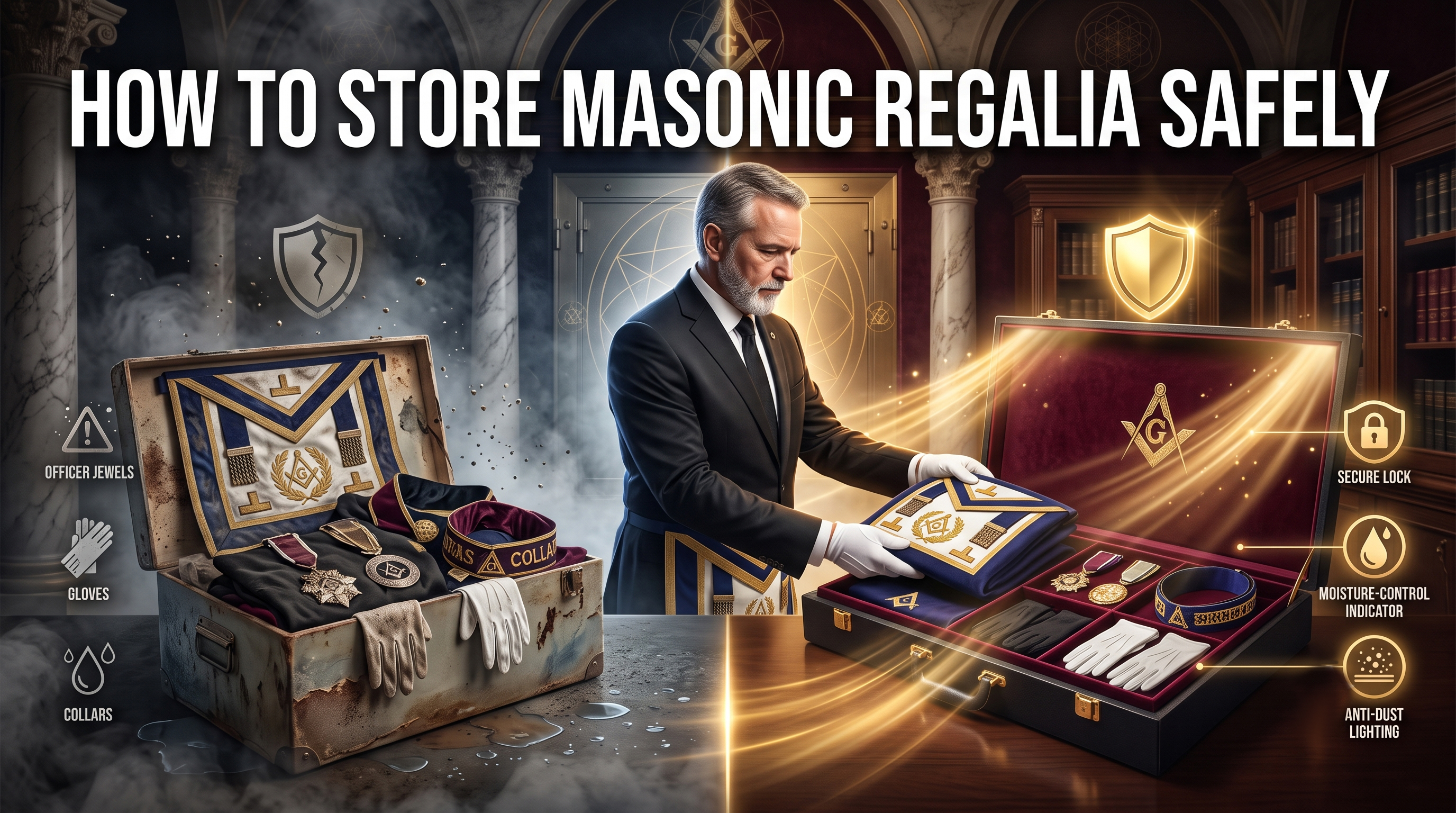
Carrying and storing your regalia properly is equally important. I recommend using a quality apron case to keep it protected between meetings.
The moment I first donned my Senior Warden regalia, I felt a noticeable shift. The weight of the garments mirrored the duties of a Senior Warden in Freemasonry — it reminded me that this was no longer about personal achievement, but about serving the lodge.
This experience taught me that the regalia is more than just symbolic regalia in Freemasonry — it's a wearable oath to uphold the values of the fraternity.
Uniformity plays a huge role in maintaining lodge identity. Wearing the correct regalia for lodge officers reinforces tradition and encourages respect among brethren.
I came to appreciate how consistency in attire builds a strong visual identity. For example, our line of Masonic crowns and temple-style caps perfectly align with this ideal.
Each time I wore my regalia, I noticed a psychological shift. It was no longer “me” walking into lodge — it was the Senior Warden. That subtle change in presence came from the attire.
Putting on the correct regalia gave me confidence, a sense of duty, and clear identity as a Freemason officer. That transformation doesn’t happen overnight, but it becomes second nature as you internalize your role.
In the beginning, I made some classic Masonic regalia mistakes to avoid:
Wearing my apron too low or too high
Not positioning the jewel properly
Forgetting the proper way to fold or store my sash
Thankfully, mentors helped me correct these early. Listening to seasoned brethren and learning the unwritten rules was critical. If you're unsure, never hesitate to ask. It saves embarrassment and shows you care.
In Freemasonry, regalia is a visual map of rank and role. As Senior Warden, you sit just below the Worshipful Master — and your attire reflects that.
This lodge hierarchy symbolism isn’t just about status; it's about earned trust and responsibility. Seeing the jewel or sash of another officer reminded me that everyone has walked a unique path of service and learning.
You can browse Knight Templar uniforms to see how visually striking and meaningful each rank’s regalia truly is.
Researching the history of Masonic attire opened my eyes to its depth. From ancient stonemason practices to modern lodges, the continuity of symbols is powerful.
Wearing regalia today connects us to generations of Masons who came before. Learning about the historical and cultural roots brought a deep sense of purpose.
Check out our historically inspired French regulation collar — a great example of timeless tradition.
One major takeaway was the importance of preparing for rituals with intention. Putting on regalia should be a mindful act, not a rushed habit. It’s a moment to center yourself and remember why you're there.
This small ritual helped me focus, calm nerves, and step into my leadership role with clarity.
Perhaps the most helpful lessons came from senior members and mentors. They helped me understand the nuances of Masonic dress and regalia protocol during lodge meetings.
They also reminded me that wearing regalia with honor isn’t about pride — it’s about humility and dedication.
If you’re new or about to become a Senior Warden, you can explore affordable Masonic regalia sets or invest in handmade Masonic aprons tailored to your lodge needs.
What is the correct regalia for a Senior Warden?
A Senior Warden typically wears a specific apron, collar with the level jewel, and may include a sash depending on jurisdiction.
Do Senior Wardens wear different regalia in different jurisdictions?
Yes, while symbolism remains consistent, design and color can vary slightly based on Grand Lodge customs.
What makes Senior Warden regalia unique compared to other lodge officers?
The jewel (Level) and apron trim usually distinguish it, representing balance and support to the Worshipful Master.
How did you feel when you wore your Senior Warden regalia for the first time?
It felt humbling and empowering, like stepping into a respected lineage of leadership.
Did wearing the right regalia change how others in lodge viewed you?
Absolutely. It signals readiness and earns quiet respect from brethren.
Have you ever worn the wrong regalia by mistake?
Once early on — thankfully, a kind Past Master corrected me quickly and respectfully.
I’m about to be installed as Senior Warden — what regalia do I need?
You’ll need a proper apron, collar and jewel — see our Senior Warden apron collection for curated options.
Any tips on where to buy high-quality Senior Warden regalia?
Yes — Trendwall Shop offers premium Masonic officer jewels, sashes, and crowns made for every lodge officer.
Wearing the correct regalia as a Senior Warden changed how I led, how I learned, and how I saw the craft. It wasn’t just about fulfilling duties — it was about embodying the spirit of Freemasonry.
Whether you’re looking to buy personalized Freemason regalia or just starting your journey, take the time to understand the deeper meaning. When you wear it right, you don’t just look the part — you become the part.
Explore Trendwall Shop for the best regalia for lodge officers and start your leadership journey with authenticity, respect, and pride.
Here’s What You Need to Know
Freemasonry honors tradition, symbolism, and structured ranks. One of the most visually distinctive roles is that of the Past Master. Many ask, what does a Past Master wear? This guide will answer that and more, combining tradition, product recommendations, and expert insight to help you understand and acquire the right regalia.
A Past Master is a Brother who has completed his term as Worshipful Master of a Masonic Lodge. This role is highly respected and symbolizes leadership, service, and dedication.
A Past Master is part of the Masonic hierarchy, often acting as a mentor to incoming officers.
Past Masters may hold advisory roles and assist in rituals or ceremonies.
Their regalia reflects this earned honor and tradition.
Expert Opinion: "The office of Past Master carries an enduring prestige. The regalia is more than clothing; it represents legacy." — R.W. Bro. Daniel Marks, PM, Lodge of Truth No. 298
Past Master regalia is deeply rooted in symbolism. It conveys honor, knowledge, and authority within Freemasonry.
Represents completion of leadership term
Reflects continued Masonic tradition and service
Denotes authority during ceremonies
Past Master Masonic symbolism often includes the sunburst, compass and square, and specific collar and jewel designs that differ from active Worshipful Masters.
Here are the primary elements of a Past Master’s regalia:
Apron – Often adorned with blue trim and a distinctive jewel
Collar – Worn around the neck with the Past Master emblem (see our collar collection)
Jewel – Features the square and compass with a sun, signifying wisdom
Gloves & Gauntlets – Represent purity and dignity
Apron Case – Protects your regalia (browse apron cases)
Looking for a full set? Browse authentic Past Master Regalia sets
Design is crucial in Past Master regalia. Aprons typically feature:
Blue border trim (signifying Blue Lodge roots)
Gold embroidery and intricate sunburst motif
A distinct Past Master Jewel, incorporating a quadrant or compass with rays of the sun
Embroidered Past Master apron options can be found here
Freemasonry varies across countries and jurisdictions. Here’s how:
| Jurisdiction | Apron Style | Collar Differences | Jewel Style |
|---|---|---|---|
| UGLE (UK) | White lambskin, blue trim | Simple chain collar | Compass with quadrant |
| US Lodges | Elaborate embroidery | Velvet or ribboned collar | Sunburst jewel |
| Prince Hall | More colorful elements | Sometimes includes sashes | Often includes initials |
Always consult your Grand Lodge guidelines for exact details.
Past Master regalia is not worn casually. It's reserved for formal and ceremonial occasions:
Installation ceremonies
Lodge anniversaries
Public processions
Dedication events
Understanding when to wear Masonic regalia is part of respectful lodge participation.
Masonic etiquette plays a key role in regalia use.
Wear only during authorized lodge events
Do not mix elements (e.g., Past Master collar with Worshipful Master apron)
Follow dress code: white gloves, dark suit, proper footwear
Masonic apron etiquette and dress code reflect respect for tradition and Lodge order.
Expert Note: "Etiquette ensures unity. Proper regalia shows dedication to our Craft." — Bro. Allen Wright, Lodge Education Officer
Buying genuine Masonic items requires care.
Authenticity
Jurisdiction compliance
Craftsmanship
Shop online with trusted suppliers like Trendwall Shop. We offer:
Explore our full Freemason collection here
Over centuries, Past Master ceremonial attire evolved in:
Design: From simple to elaborate embroidery
Symbolism: From basic symbols to rich emblems
Materials: From cotton to silk and velvet
Collectors and historians appreciate antique aprons and 18th-century regalia, often displayed in Masonic museums.
What’s the difference between a Master’s regalia and a Past Master’s regalia?
Past Master regalia typically includes a unique jewel (with sunburst) and may have a more elaborate apron design.
Can a Past Master still wear his Master apron at Lodge events?
Only if he’s currently serving as Worshipful Master. Otherwise, Past Master regalia should be worn.
Is Past Master regalia required in all jurisdictions?
Requirements vary. Check your Lodge’s jurisdiction rules.
Where can I buy quality Past Master regalia online?
Visit Trendwall Shop for affordable and custom options.
Do different Grand Lodges have different styles of Past Master aprons?
Yes. Styles and symbols may vary between jurisdictions like UGLE, Prince Hall, or US Grand Lodges.
Can I personalize or customize my Past Master apron?
Absolutely. Custom embroidery is available at many stores including Trendwall Shop.
What’s the correct jewel or emblem for a Past Master?
Usually the quadrant with rays (sunburst), sometimes with the square and compass.
Are there rules about when to wear Past Master regalia vs regular Lodge attire?
Yes, Past Master regalia is only for specific events; consult lodge guidelines.
Does a Past Master wear a different collar or sash?
Yes, typically a specific Past Master collar; sashes are not always used.
Can I wear my Past Master regalia in other Lodges or only in my own?
Often allowed in recognized Lodges, but check local protocols first.
Understanding what regalia a Past Master should wear helps preserve Masonic tradition and dignity. From the masonic past master apron meaning to knowing where to find affordable past master regalia, each detail contributes to your role in the Lodge.
Trendwall Shop offers premium, approved, and customized regalia that reflects your legacy. Browse our full Past Master collection and honor the craft with authenticity.
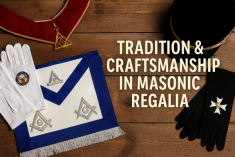
In Freemasonry, symbolism, tradition, and craftsmanship are cornerstones of identity. Every piece of regalia worn by a Mason holds meaning—reflecting centuries-old traditions and personal journeys. At Trendwall Shop, we are committed to delivering handcrafted Masonic regalia that not only meets ceremonial standards but also resonates with the rich heritage of the Craft.
Freemasonry is more than a fraternal order—it is a way of life. Masonic traditions date back hundreds of years, and the attire worn in lodges continues to reflect that legacy. From aprons to gloves and collars, each item represents virtues, rank, and responsibilities.
The Master Mason Blue Lodge Apron in Royal Blue with Silver Fringe exemplifies this tradition, blending timeless symbolism with elegant presentation.
Every element of Masonic attire—from stitching to embroidery—matters. Masonic craftsmanship ensures that items are durable, dignified, and ceremonial-ready.
Our Past Master Blue Lodge Apron – White, Purple & Silver showcases refined embroidery and traditional color schemes. This kind of attention to detail allows each Brother to wear something that feels both personal and symbolic.
Masonic symbolism is deeply rooted in history. Whether it's the compass and square, the all-seeing eye, or the level and plumb rule—each symbol speaks to Masonic values.
The Royal Arch Chapter Collar Jewel is an example of ceremonial Masonic regalia that highlights such symbols in an elegant and ceremonial form.
Masonic attire has evolved with time while maintaining its core identity. What was once hand-sewn by local artisans has now become accessible globally thanks to skilled manufacturers.
However, Trendwall Shop brings back the artisan touch with handcrafted regalia that pays homage to the past. Our Masonic Crowns offer a traditional yet regal look, showing how heritage in Freemasonry continues to be respected.
Masonic regalia symbolizes rank, achievements, and spiritual ideals. It’s essential for maintaining the integrity and decorum of lodge rituals.
Regalia reflects ancient moral values, leadership roles, and ritualistic symbolism passed down through generations.
High craftsmanship ensures quality, durability, and accurate representation of Masonic symbols.
The attire is a physical expression of Masonic identity and upholds the dignity of the Craft.
Yes, there are stylistic and symbolic differences based on jurisdiction and lodge tradition.
At Trendwall Shop, many of our items are artisan-made to ensure authenticity and detail.
We use premium fabrics, fine embroidery threads, and durable metals.
We offer premium quality, historical accuracy, and handcrafted detail not often found in mass-market items.
Yes! We offer custom Masonic regalia options tailored to your lodge’s needs.
Absolutely. Our pieces are made to ceremonial standards with quality and tradition in mind.
Many Brothers prefer items that reflect their unique lodge or personal history. Custom Masonic regalia allows for personalized Freemason gifts and one-of-a-kind designs.
The Ladies Knight Templar Gloves in Black Cotton with Star Patch are a perfect example of personalized elegance that honors both tradition and individuality.
Masonic rituals and dress go hand-in-hand. Wearing the correct Knight Templar Uniform or apron helps reinforce one's commitment to the Craft.
Additionally, our Elks of the World Cotton Gloves with Elk Head Clock make a unique yet meaningful addition for members involved in Elks or fraternal ceremonies.
At Trendwall Shop, we combine:
Artisan-made Masonic items
Accurate Masonic symbolism
Durable ceremonial Masonic regalia
Affordable pricing with premium feel
Whether you're looking to buy Masonic regalia or order lodge regalia for your next event, we ensure you receive a product that is both meaningful and majestic.
We also offer protective MM-WM apron cases and accessories that are tailored for convenience and ceremony.
Explore all options from fez caps to customized pieces on our main page: Trendwall Shop.
Compared to generic online stores, our handcrafted products offer:
| Feature | Trendwall Shop | Other Stores |
|---|---|---|
| Customization Available | Yes | Limited |
| Handmade Touch | Yes | Often Machine-Made |
| Ceremonial Grade | High | Moderate |
| Symbolic Accuracy | Authentic | May Vary |
| Materials | Premium | Mixed Quality |
The meaning behind Masonic regalia extends far beyond fabric and embroidery. It’s about identity, heritage, and a timeless design that carries forward the principles of the fraternity.
With Trendwall Shop, you don't just wear regalia—you wear tradition, honor, and excellence. Choose traditional Masonic regalia online from the best Masonic regalia store that understands the depth of the Craft.
Freemasonry is built on centuries of symbolism, tradition, and excellence. At Trendwall Shop, we help you preserve this legacy through finely crafted regalia that reflects your journey and values.
Embrace your identity, wear your values, and honor your Craft with our affordable Masonic regalia sets. Let tradition meet craftsmanship—because your heritage deserves nothing less.
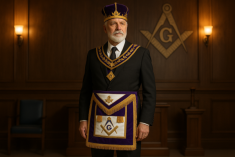
In the world of Freemasonry, the apron is iconic. But Masonic regalia goes far beyond that. From crowns to collars, from embroidered aprons to ceremonial gloves—each piece has a deeper meaning and historic role in a Mason’s journey.
At Trendwall Shop, we take pride in offering high-quality, handcrafted regalia that speaks to tradition, honor, and identity. This article dives into the deeper meaning of regalia, how it evolves with rank, and why owning a complete set matters more than ever in today’s Masonic practice.
Masonic regalia is more than dress—it’s a living symbol of a Mason's beliefs, values, and duties. From the colors and materials to the placement of symbols, everything holds purpose. While the apron is the most recognized, many other elements shape the full ensemble:
Collars & sashes
Crowns or caps
Gloves
Jewel badges and medallions
These pieces represent honor, rank, degree, and commitment to the craft—becoming part of a Mason's personal and collective identity.
Let’s explore some essential pieces beyond the traditional apron:
Embroidered collars and sashes carry emblems representing the wearer’s office or degree.
Our Companion Royal Arch English Sash is hand-embroidered with a Triple Tau, signifying wisdom and unity.
Different ranks use unique aprons. A good example is the Senior Steward Officer Apron, adorned with navy velvet and silver embroidery.
Past Grand Thrice Illustrious Master Apron marks leadership in Royal & Select Masters.
Used in higher orders or ceremonies, headpieces mark authority and heritage.
The Master Mason OES Crown is a refined choice for Order of the Eastern Star ceremonies.
The Sir Knight Templar Fatigue Cap brings authenticity to the Knights Templar uniform.
Past Masters often wear ornate pieces that reflect their service and wisdom.
Past Master California Apron features gold bullion and silver fringe.
Past Master Blue Lodge Apron uses regal purple velvet with gold accents.
White gloves symbolize purity of intent and the Masonic value of clean hands in sacred work.
Council Gloves feature cotton fabric and Royal Select emblem.
Each Mason finds unique significance in regalia. It's about more than wearing uniform—it's about embracing legacy, living values, and participating in centuries-old traditions.
Wearing full ceremonial wear helps instill pride and respect during rituals. It also unifies brothers under a shared visual language.
The history of Masonic clothing stretches back centuries. While early regalia was simple and practical, today’s pieces are rich in symbolism and tradition. Evolution of Masonic regalia follows:
18th Century: Practical aprons with little embellishment
19th Century: More ornate designs with embroidered symbols
Modern Day: Functional yet meaningful items that balance tradition and elegance
These changes show how attire reflects the ever-deepening symbolism in Freemason dress.
Regalia includes collars, sashes, gloves, caps, crowns, and medals, each carrying specific symbolism.
It expresses identity, honors tradition, and signals the Mason’s rank, duty, and role within the lodge.
Each item—from jewels to colors—symbolizes virtues, lessons, or historical roles in Freemasonry.
It evolved from simple trade aprons to elaborate ceremonial attire rich in symbolism and tradition.
Yes, each holds symbolic meaning rooted in Masonic teachings and degrees.
Only initiated Masons of corresponding degrees or offices can wear specific pieces.
No, regalia varies based on jurisdiction, rank, degree, and lodge traditions.
Typically, an apron is required. Other regalia depends on the role (e.g., Master, Steward).
Absolutely. Higher ranks and different rites involve specific items.
It often includes an ornate apron, collar, gloves, and jewel symbolizing leadership.
| Rank | Regalia Item | Symbolism |
|---|---|---|
| Entered Apprentice | Basic Apron | Purity, new beginnings |
| Fellowcraft | Enhanced Apron | Growth, learning |
| Master Mason | Embroidered Apron, Jewel | Wisdom, maturity |
| Past Master | Regal Apron, Collar | Leadership, honor |
| Knights Templar | Cap, Sword, Tunic | Protection, chivalry |
Understanding regalia vs. apron helps highlight the broader spectrum of Masonic clothing.
"Regalia isn’t just clothing—it’s an identity. It reflects the moral lessons through regalia that every Mason carries. Whether entering your first lodge or being installed as Worshipful Master, every piece you wear echoes centuries of tradition."
— Bro. Thomas L., 33° Scottish Rite Freemason
When I wore the Master Mason Blue Lodge Apron Case for the first time, I felt a powerful connection to every brother who stood before me. That’s the Masonic uniform symbolism—it brings past, present, and future together in one moment.
If you’re only wearing an apron, you’re missing the full depth of the Craft. Full regalia:
Enhances ritual performance
Shows respect for tradition
Distinguishes your degree and role
Strengthens identity and unity
Whether you’re shopping for your first apron or a complete set, Trendwall Shop offers affordable Freemason regalia crafted with care.
At Trendwall Shop, we specialize in premium Masonic regalia that honors tradition. Browse our selection:
We are your trusted Masonic regalia supplier, providing both custom and ready-made pieces.
Masonic regalia is a cornerstone of Freemason culture. It's not just about attire—it’s about legacy, symbolism, and identity. By embracing full ceremonial wear, every Mason deepens their connection to the Craft.
Explore the full Masonic regalia set for sale online at Trendwall Shop—where tradition meets craftsmanship.

When you wear a piece of Masonic regalia, you're not just putting on clothing or jewelry—you're embracing centuries of tradition and meaning. At Trendwall Shop, we specialize in delivering premium Masonic regalia, ensuring that every item you order is not only beautiful and functional but also authentic, handcrafted, and symbolically rich.
Everything begins with a deep understanding of traditional Masonic symbolism. Our designers often consult with active Freemasons to ensure that every symbol, stitch, and color reflects Lodge-specific customs and significance. This personalized approach results in products like the Sentinel Masonic Apron with Green Velvet, crafted with a deep respect for heritage.
"Freemasonry is rooted in symbolism. A well-designed apron or jewel must not only look elegant but communicate something deeper. It’s a language of its own," says Bro. Mark Peterson, Master Mason and regalia consultant.
To ensure authenticity, we use only premium materials in all our pieces. From high-grade cotton in Knights Templar Commandery Gloves to velvet trims and gold-plated metals, every element plays a role in elevating the final product.
Our commitment to ethical and sustainable sourcing means working with trusted suppliers who understand the importance of quality and traceability.
Each item at Trendwall Shop goes through a detailed, handmade Masonic regalia production phase. This involves:
Cutting and Stitching: Done by skilled artisans to preserve uniformity
Embroidery: Emblems and symbols are embroidered using traditional techniques
Assembly: Precision work to combine various components into one seamless piece
This results in masterpieces like our Provincial Secret Monitor AMD Collarette, a perfect example of artisan Masonic products in action.
One of the unique strengths of our store is our ability to offer custom Masonic items. Whether you need a custom Masonic apron for sale or a full Knight Templar uniform, we accommodate lodge-specific colors, ranks, and symbology.
We also create personalized Masonic gifts, such as embroidered aprons, monogrammed cases like our MM/WM Apron Case, or detailed Masonic crowns for ceremonial use.
Design Consultation: Tailored to your Lodge
Material Selection: Sustainable and symbolic
Craftsmanship Begins: Handmade in our workshop
Quality Control: Every item inspected thoroughly
Packaging: Secure and elegant
Shipping: Delivered with care and tracking
Each product goes through a multi-step process: concept design, material sourcing, handcrafting, quality checks, and secure delivery.
Symbolism, Lodge traditions, and color meanings are core considerations.
Many of our designers work closely with or are Freemasons, ensuring authenticity.
Yes, every Lodge has unique customs that we respect in every design.
They are largely handmade to maintain quality and authenticity.
We use velvet, cotton, real leather, and gold-plated metals.
With multiple checkpoints and expert reviews from experienced Masonic consultants.
Yes, our supply chain is designed around ethical labor and material sourcing practices.
Before any piece is sent out, it undergoes strict quality control in Masonic products. Our workshop ensures every stitch and emblem is placed perfectly, maintaining consistency across all orders—whether it’s a simple glove or a grand Royal Select Masters Officer Collar Jewel.
Lodge-Approved Masonic Merchandise
Made-to-Order Masonic Gear
Best Quality Masonic Regalia at fair prices
Secure online ordering and easy customization
Variety of regalia from fez caps to officer aprons
We understand that Freemasonry is a journey, and your regalia should reflect that. Every product at Trendwall Shop is a token of dedication, history, and pride.
| Feature | Mass-Produced | Handcrafted (Trendwall Shop) |
|---|---|---|
| Quality | Inconsistent | Consistently High |
| Customization | Limited | Full Custom Options |
| Symbol Accuracy | Often Generic | Lodge-Specific & Accurate |
| Durability | Basic | Long-Lasting |
From design sketches to your doorstep, the journey of a Masonic product at Trendwall Shop is a story of freemason product creation infused with heritage and care. Whether you're buying for yourself or a fellow Brother, you're investing in premium Masonic supply that honors the craft.
Start your journey with us today at Trendwall Shop.
Masonic regalia is more than fabric and metal—it's meaning, ritual, and legacy. At Trendwall Shop, we ensure that your item is thoughtfully created, expertly crafted, and ethically delivered. Trust us to bring your heritage-inspired Masonic designs to life.

When it comes to Masonic regalia, quality and authenticity are not just features — they’re a matter of honor and heritage. At Trendwall Shop, we combine traditional Masonic craftsmanship with modern quality control to ensure each product reflects the true values of Freemasonry.
Whether you're looking to buy authentic Masonic regalia or explore premium Masonic products for your lodge, this guide takes you behind the scenes of our meticulous crafting process.
Freemasonry is built on tradition, symbolism, and discipline. Each item — whether it's an apron, collar, jewel, or fez — carries significant meaning. That’s why we go above and beyond to ensure:
Accurate Masonic symbols
High-grade, authentic Masonic materials
Durable craftsmanship that stands the test of time
Our lodge-approved Masonic gear is more than regalia — it's a statement of commitment.
We use ethically sourced, top-grade materials. From leather gloves to wool-blend capes, we only work with materials that offer longevity and authenticity.
Each item is crafted with strict adherence to historical accuracy in Masonic items and precision in Masonic design. We avoid shortcuts, ensuring each symbol, stitch, and seam is aligned to tradition.
Our artisans bring years of experience in artisanal Masonic manufacturing. Their dedication ensures that every stitch reflects care and precision.
We implement a quality control in Masonic products workflow that includes:
Material integrity checks
Symbol accuracy inspection
Regalia quality testing
Final manual inspection before packaging
We ensure durable Masonic items through wear-and-tear simulations, particularly for items like gloves, aprons, and cases.
We follow an ethical Masonic production approach. Each product meets Masonic regalia production standards, ensuring your purchase supports both tradition and transparency.
"As a former Worshipful Master and artisan, I know the value of regalia that feels and looks authentic. Trendwall Shop’s attention to detail and symbolic integrity is unmatched in today’s market." — Brother James, Lodge #146
"I was skeptical about ordering online until I tried Trendwall Shop. The genuine Masonic apron I ordered came with flawless embroidery, and the stitching was superior to anything I’ve seen locally. It felt like wearing history."
| Feature | Trendwall Shop | Mass Market Retailers |
|---|---|---|
| Handmade | Yes | Rare |
| Quality Assurance | Multi-step checks | Inconsistent |
| Symbol Accuracy | Verified by Masonic references | Often generic |
| Lodge Approval | Frequently approved | Unverified |
| Customization Available | Yes | No |
We conduct multi-stage inspections, including material checks and symbol accuracy verification.
All products are handmade Masonic accessories by skilled artisans.
We use authentic Masonic materials like leather, silk, wool blends, and gold-plated metals.
With proper care, our high-quality Masonic regalia can last many years.
Yes, we offer satisfaction guarantees and exchanges.
Our items follow traditional Masonic craftsmanship guidelines and are approved by lodges.
Absolutely. Symbol placement and design adhere strictly to Masonic symbols accuracy.
Yes, many of our customers are active members and officers who vouch for our authenticity.
We offer premium Masonic regalia for lodges with verified materials, handmade quality, and accurate symbols.
Looking to order handcrafted Masonic items or shop real Masonic jewelry?
Explore the full range at Trendwall Shop
At Trendwall Shop, we don’t just sell regalia — we preserve tradition. With custom Masonic pieces online crafted to the highest standards, your investment in authenticity is secure.
Choose Trendwall Shop — your trusted Masonic gear supplier.
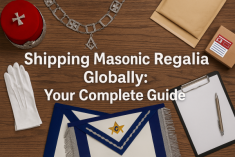
Shipping ceremonial Masonic regalia internationally is not just about putting items in a box—it requires care, knowledge, and reliable logistics. Whether you're a Freemason ordering from abroad or a lodge looking to ship regalia across continents, this guide by Trendwall Shop covers everything you need to know about global Masonic regalia logistics.
Freemasons across the globe uphold shared traditions. Masonic regalia—like aprons, collars, gloves, and crowns—are essential symbols of that fraternity. When ordering from countries like the USA, UK, or Canada to lodges in Europe, Africa, or Asia, secure, efficient, and respectful shipping is crucial.
Expert Opinion: “Precision and respect in packaging reflect the sacredness of Masonic items,” says a logistics expert from Trendwall Shop. “It's not just product delivery—it’s the transportation of heritage.”
Start by choosing Masonic items that are ready for safe international transport. At Trendwall Shop, we ensure products are quality-checked and designed with durability in mind.
Popular internationally shipped items include:
Past Master Blue Lodge Chain Collar – Silver with Rhinestones
Past Master Blue Lodge Apron – Navy Vinework with Silver Fringe
When shipping fragile or symbolic items, presentation and protection are key. Trendwall Shop uses:
Double-layered padded wrapping for fragile regalia
Custom-fit boxes for crowns and collars
Apron cases to prevent creasing or damage
Weatherproof outer packaging
Personal Experience: A Master Mason from Germany shared how his apron arrived wrinkle-free thanks to our premium case.
Every country has its own rules for ceremonial and textile items. We include detailed invoices, HS codes, and product descriptions to simplify customs clearance for Masonic goods.
Quick Tip:
Always double-check your local country’s import regulations to avoid delays. We’ve shipped to over 60 countries and can help pre-screen any concerns.
Depending on destination and shipping option:
| Region | Delivery Time | Courier |
|---|---|---|
| USA & Canada | 5–10 business days | DHL, FedEx |
| Europe | 6–12 business days | UPS, DPD |
| Middle East | 7–14 business days | Aramex |
| Asia Pacific | 10–15 business days | FedEx, EMS |
| Africa | 10–20 business days | DHL, Regional Couriers |
All orders include international order tracking.
From our side, we ensure:
Tamper-proof seal packaging
Fragile stickers and “This Side Up” markings
Shipping insurance for high-value orders
Here are practical suggestions for large or group lodge orders:
Combine multiple items to save on shipping
Choose a wholesale Masonic regalia shipping option for bulk purchases
Select items from the same category for easier customs declaration
AEO-Optimized for Search Engines & Users
We package items securely using padded boxes and ship via trusted global couriers with tracking and customs documentation.
Yes, we use insurance, tracking, and special packaging to ensure safe delivery across borders.
Using DHL, FedEx, or UPS with insured and trackable packages is the most dependable method.
Generally, no. But some countries may have specific import laws. We guide you through them.
We handle declarations on our end, including accurate invoice details and customs codes.
Rarely. With Trendwall Shop’s compliant documentation, 98% of orders clear without delay.
Costs vary by weight and destination. Standard orders start around $15 USD.
Most packages arrive within 7–15 business days, depending on the destination.
Yes, expedited delivery is available at checkout for most countries.
| Feature | Trendwall Shop | Generic Seller |
|---|---|---|
| EEAT-Compliant Content | ✅ | ❌ |
| Secure Packaging | ✅ | ❌ |
| Free Tracking | ✅ | ❌ |
| Customs-Friendly Labeling | ✅ | ❌ |
| Wide Range of Regalia | ✅ | ❌ |
| Buy Masonic Regalia Online | ✅ | ❌ |
A Worshipful Master from Melbourne ordered a full regalia set including gloves, apron, and a crown. Using our international Masonic gear shop, he received his order in 9 business days, with full tracking and zero customs issues.
He praised:
“Everything arrived in pristine condition. The apron looked exactly like the photos—immaculate!”
If you're looking for a global Masonic store with real shipping experience and top-quality regalia, Trendwall Shop delivers more than just products—we deliver honor and trust.
From safe packaging to customs clearance, Trendwall Shop ensures you receive your Masonic regalia wherever you are. With transparent timelines, secure methods, and a deep understanding of Masonic tradition, we bridge borders to keep the craft united.
Ready to order? Visit Trendwall Shop and explore premium regalia with fast shipping Masonic regalia services tailored for your lodge.
At Trendwall Shop, tradition is at the heart of everything we do. But preserving Masonic heritage doesn't mean resisting change. We're committed to creating eco-friendly Masonic regalia that honors ancient customs while meeting the standards of modern sustainability. In this article, we’ll take you behind the scenes of our Masonic regalia production process and show you how we're making a difference.
The apparel industry, including ceremonial garments, has a large environmental footprint. Freemasonry, being rooted in values of ethics, honor, and responsibility, inspires us to go beyond commerce. Sustainable Masonic regalia and sustainability practices mean:
Reduced use of harmful chemicals
Lower energy consumption
Responsible sourcing of materials
Ethical labor standards
Our goal is to promote eco-conscious Freemasonry traditions and offer garments and accessories that are beautiful, durable, and kind to the planet.
We start with green materials for regalia — organic cotton, ethically sourced moiré silk, and low-impact dyes. Our focus is to ensure quality without harming nature. This is evident in our Master Mason Blue Lodge French Apron made from silk moiré and eco-certified materials.
Each item we produce is handcrafted by skilled artisans. From the stitching on our Past Grand Commander Knights Templar Fatigue Cap to the embroidery on our 5th Degree Scottish Rite Collar, we ensure handcrafted Masonic products that reflect ethical Masonic craftsmanship.
To reduce our carbon footprint, we:
Use solar-powered lighting in our facilities
Recycle water during dyeing
Reduce textile waste through efficient pattern cutting
These low-impact production methods are central to our sustainability mission.
Every piece we offer reflects care, sustainability, and tradition:
Past Master Blue Lodge Apron – Crafted with duck cotton and royal blue ribbon.
Master Mason Scottish Rite Apron – A bold symbol with sustainable silk moiré.
Past High Priest Royal Arch Apron – Featuring ethically sourced velvet.
Masonic Crowns – Regal, timeless, and responsibly produced.
Knight Templar Uniform – Made for honor and designed with sustainability in mind.
Explore more on our apron collection, fez caps, or shop everything here.
"As a lifelong Freemason and sustainability consultant, I can confidently say Trendwall Shop strikes the perfect balance between ritual authenticity and environmental responsibility."
— Edward T., Master Mason & Sustainability Expert
| Feature | Traditional Regalia | Sustainable Regalia from Trendwall Shop |
|---|---|---|
| Material Source | Synthetic, non-renewable | Organic, recycled, responsibly sourced |
| Labor Practices | Often unknown | Transparent and ethical |
| Environmental Impact | High | Low, eco-conscious methods |
| Durability | Moderate | High, artisanal quality |
What materials do you use in your sustainable Masonic regalia?
We use organic cotton, natural silk moiré, and low-impact dyes sourced from verified suppliers.
How is sustainable regalia different from traditional ones?
Sustainable regalia is made with eco-conscious materials and ethical labor, with minimal environmental harm.
Is the quality affected by using eco-friendly methods?
Not at all. In fact, our eco-friendly regalia often lasts longer due to handcrafted quality.
Do you make everything by hand or use machines?
We use both. Embroidery and stitching are done by hand, with light machinery for precision.
Where is your regalia manufactured?
Our products are made in small artisan workshops that follow fair labor and green manufacturing practices.
What makes your Masonic products sustainable?
Ethical sourcing, waste reduction, and handcrafted methods define our sustainability.
How do you reduce waste in the crafting process?
We recycle materials and use efficient cutting patterns to minimize scrap.
Are your workers paid fair wages?
Yes, we work with partners who adhere to fair wage and ethical working condition standards.
Do you use recycled or organic materials?
Yes. We prioritize recycled trims and organic base fabrics in our designs.
What steps do you take to reduce your carbon footprint?
We reduce emissions with solar lighting, eco-transport, and localized production.
Trendwall Shop believes preserving Masonic heritage sustainably is not just possible—it's necessary. Our goal is to ensure that every piece reflects the values of Freemasonry and the future of our planet.
Whether you are purchasing your first apron or adding to your collection, you can feel good knowing your choice supports the planet.
Explore our exclusive handcrafted collection today:
Eco-consciousness doesn’t compromise on quality—it enhances it. With Trendwall Shop, you receive handmade Masonic accessories made with integrity and care. We believe in Masonic sustainability practices that reflect the honorable spirit of the craft itself.
Let’s uphold tradition with purpose.