


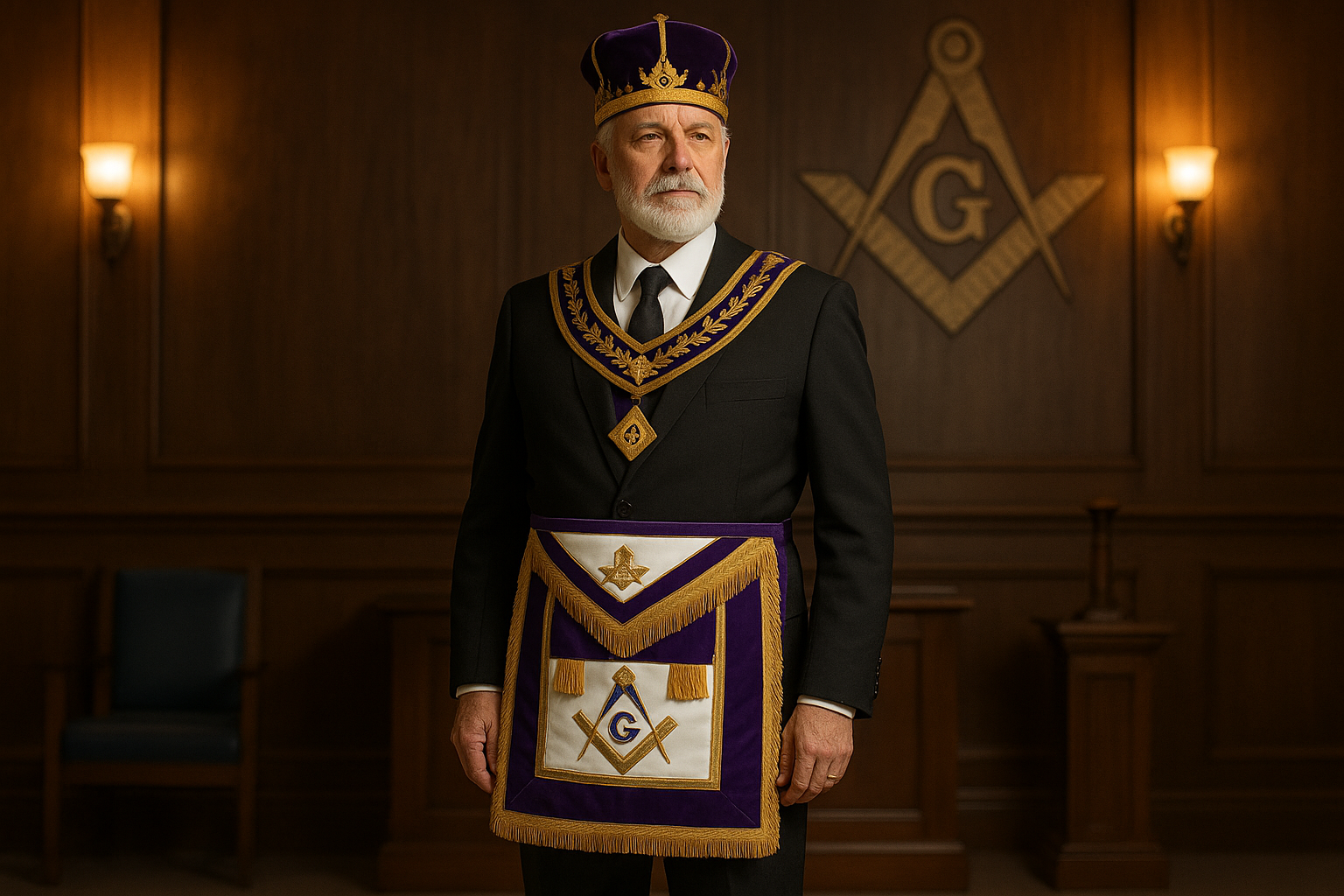
Discover the Power of Full Masonic Regalia
In the world of Freemasonry, the apron is iconic. But Masonic regalia goes far beyond that. From crowns to collars, from embroidered aprons to ceremonial gloves—each piece has a deeper meaning and historic role in a Mason’s journey.
At Trendwall Shop, we take pride in offering high-quality, handcrafted regalia that speaks to tradition, honor, and identity. This article dives into the deeper meaning of regalia, how it evolves with rank, and why owning a complete set matters more than ever in today’s Masonic practice.
What Is Masonic Regalia and Why Does It Matter?
Masonic regalia is more than dress—it’s a living symbol of a Mason's beliefs, values, and duties. From the colors and materials to the placement of symbols, everything holds purpose. While the apron is the most recognized, many other elements shape the full ensemble:
-
Collars & sashes
-
Crowns or caps
-
Gloves
-
Jewel badges and medallions
These pieces represent honor, rank, degree, and commitment to the craft—becoming part of a Mason's personal and collective identity.
Beyond the Apron: Key Pieces of Regalia
Let’s explore some essential pieces beyond the traditional apron:
1. Collars and Sashes
Embroidered collars and sashes carry emblems representing the wearer’s office or degree.
-
Our Companion Royal Arch English Sash is hand-embroidered with a Triple Tau, signifying wisdom and unity.
2. Officer Aprons
Different ranks use unique aprons. A good example is the Senior Steward Officer Apron, adorned with navy velvet and silver embroidery.
-
Past Grand Thrice Illustrious Master Apron marks leadership in Royal & Select Masters.
3. Masonic Crowns and Headgear
Used in higher orders or ceremonies, headpieces mark authority and heritage.
-
The Master Mason OES Crown is a refined choice for Order of the Eastern Star ceremonies.
-
The Sir Knight Templar Fatigue Cap brings authenticity to the Knights Templar uniform.
4. Past Master Regalia
Past Masters often wear ornate pieces that reflect their service and wisdom.
-
Past Master California Apron features gold bullion and silver fringe.
-
Past Master Blue Lodge Apron uses regal purple velvet with gold accents.
5. Ceremonial Gloves
White gloves symbolize purity of intent and the Masonic value of clean hands in sacred work.
-
Council Gloves feature cotton fabric and Royal Select emblem.
Personal Meaning of Regalia
Each Mason finds unique significance in regalia. It's about more than wearing uniform—it's about embracing legacy, living values, and participating in centuries-old traditions.
Wearing full ceremonial wear helps instill pride and respect during rituals. It also unifies brothers under a shared visual language.
The History of Masonic Clothing
The history of Masonic clothing stretches back centuries. While early regalia was simple and practical, today’s pieces are rich in symbolism and tradition. Evolution of Masonic regalia follows:
-
18th Century: Practical aprons with little embellishment
-
19th Century: More ornate designs with embroidered symbols
-
Modern Day: Functional yet meaningful items that balance tradition and elegance
These changes show how attire reflects the ever-deepening symbolism in Freemason dress.
FAQs: Answering Your Questions About Masonic Regalia
What does Masonic regalia include besides the apron?
Regalia includes collars, sashes, gloves, caps, crowns, and medals, each carrying specific symbolism.
Why is Masonic regalia important?
It expresses identity, honors tradition, and signals the Mason’s rank, duty, and role within the lodge.
What is the meaning behind different pieces of regalia?
Each item—from jewels to colors—symbolizes virtues, lessons, or historical roles in Freemasonry.
What’s the history behind Masonic regalia?
It evolved from simple trade aprons to elaborate ceremonial attire rich in symbolism and tradition.
Is every piece of regalia symbolic?
Yes, each holds symbolic meaning rooted in Masonic teachings and degrees.
Who can wear full Masonic regalia?
Only initiated Masons of corresponding degrees or offices can wear specific pieces.
Do all Freemasons wear the same regalia?
No, regalia varies based on jurisdiction, rank, degree, and lodge traditions.
What regalia is required for a lodge meeting?
Typically, an apron is required. Other regalia depends on the role (e.g., Master, Steward).
Does regalia change based on rank or degree?
Absolutely. Higher ranks and different rites involve specific items.
What does a Worshipful Master's regalia include?
It often includes an ornate apron, collar, gloves, and jewel symbolizing leadership.
Comparative Analysis: Regalia Across Ranks
| Rank | Regalia Item | Symbolism |
|---|---|---|
| Entered Apprentice | Basic Apron | Purity, new beginnings |
| Fellowcraft | Enhanced Apron | Growth, learning |
| Master Mason | Embroidered Apron, Jewel | Wisdom, maturity |
| Past Master | Regal Apron, Collar | Leadership, honor |
| Knights Templar | Cap, Sword, Tunic | Protection, chivalry |
Understanding regalia vs. apron helps highlight the broader spectrum of Masonic clothing.
Expert Opinion
"Regalia isn’t just clothing—it’s an identity. It reflects the moral lessons through regalia that every Mason carries. Whether entering your first lodge or being installed as Worshipful Master, every piece you wear echoes centuries of tradition."
— Bro. Thomas L., 33° Scottish Rite Freemason
Personal Experience
When I wore the Master Mason Blue Lodge Apron Case for the first time, I felt a powerful connection to every brother who stood before me. That’s the Masonic uniform symbolism—it brings past, present, and future together in one moment.
Why You Should Own Full Masonic Regalia
If you’re only wearing an apron, you’re missing the full depth of the Craft. Full regalia:
-
Enhances ritual performance
-
Shows respect for tradition
-
Distinguishes your degree and role
-
Strengthens identity and unity
Whether you’re shopping for your first apron or a complete set, Trendwall Shop offers affordable Freemason regalia crafted with care.
Where to Shop High-Quality Regalia
At Trendwall Shop, we specialize in premium Masonic regalia that honors tradition. Browse our selection:
We are your trusted Masonic regalia supplier, providing both custom and ready-made pieces.
Conclusion
Masonic regalia is a cornerstone of Freemason culture. It's not just about attire—it’s about legacy, symbolism, and identity. By embracing full ceremonial wear, every Mason deepens their connection to the Craft.
Explore the full Masonic regalia set for sale online at Trendwall Shop—where tradition meets craftsmanship.