


Traditional vs Modern Masonic Regalia: Journey Through Time
1. Introduction
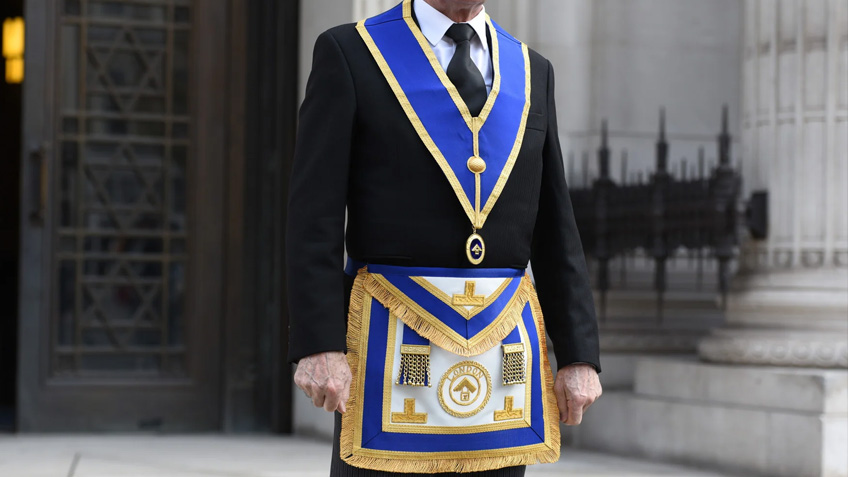
Throughout history, Freemasonry has been steeped in rituals, traditions, and symbolism. One of the most visible aspects of this heritage is Masonic regalia, which serves as a testament to the fraternity’s values and history. From intricately designed aprons to ornate jewels and sashes, these items hold deep significance for members.
But as Masonry evolves, so does its attire. Traditional Masonic regalia, crafted with hand embroidery and fine materials, has gradually transitioned to modern, machine-made regalia, offering affordability and accessibility. This article explores the origins, evolution, and debate surrounding these changes, comparing historical craftsmanship with contemporary innovation.
2. Origins of Traditional Masonic Regalia
The origins of freemason regalia date back to the medieval operative Masons, who wore protective aprons and gloves while working on cathedrals and grand structures. Over time, as Masonry transitioned to speculative Freemasonry, these garments became symbols of rank, purity, and honor.
The Grand Lodges of England, Scotland, and France played a crucial role in standardizing regalia, ensuring that aprons, collars, and jewels reflected the fraternity’s values and teachings. Masonic rituals emphasized the significance of regalia, linking them to moral and spiritual lessons passed down through generations.
3. Key Elements of Traditional Regalia
Traditional Masonic regalia includes several key elements, each carrying deep symbolic meaning:
- Masonic Apron – Made from lambskin, symbolizing innocence and purity.
- mason apron case
- Jewels and Collars – Represent different lodge officers and their roles.
- Gauntlets and Sashes – Indicate rank and status within the lodge.
- Square and Compass – The most recognizable emblem, symbolizing morality and brotherhood.
Handcrafted with fine embroidery, velvet, and metallic thread, these pieces highlight the dedication to craftsmanship in early Masonic tradition.
4. Transition to Modern Masonic Regalia
With the rise of industrialization and mass production, the production of Masonic regalia and masonic caps underwent significant changes. Advancements in fabric technology, machine embroidery, and digital printing led to cost-effective alternatives to traditional handcrafted items.
Modern Freemasonry attire incorporates:
- Synthetic Materials – Instead of lambskin, many aprons now use artificial leather or polyester.
- Machine Embroidery – Allows for quick production and consistent quality.
- Customization – Digital tools enable personalized engravings and lodge insignias.
While some embrace these changes for their affordability and convenience, others argue that modern regalia lacks the authenticity and sacred value of its traditional counterpart.
5. Comparison: Traditional vs. Modern Regalia
The debate over traditional vs. modern Masonic regalia centers on several factors:
| Aspect | Traditional Regalia | Modern Regalia |
|---|---|---|
| Material | Handcrafted with lambskin, silk, and fine embroidery | Made with synthetic leather, polyester, and machine embroidery |
| Symbolism | Rooted in historic Masonic traditions and rituals | Still symbolic, but often lacks historic craftsmanship |
| Durability | Highly durable, lasting for decades | Less durable but easier to replace |
| Cost | More expensive due to handcrafted elements | More affordable for members |
| Availability | Limited to skilled artisans and exclusive Masonic suppliers | Widely available online and in commercial Masonic stores |
Many Masons appreciate the historical accuracy and personal connection of traditional regalia, while others value the practicality and affordability of modern alternatives.
6. Controversy and Debate
The shift in Masonic dress has sparked ongoing debates between purists and modernists within the fraternity.
- Preservationists argue that traditional regalia carries historical integrity and spiritual significance, making it a crucial part of Masonic identity.
- Progressives believe that modern materials and techniques make Masonry more accessible to a wider audience, ensuring the fraternity’s longevity.
- Some fear that mass-produced regalia may diminish the unique and solemn nature of Masonic ceremonies.
Despite these discussions, most Grand Lodges seek a balance between honoring the past and embracing the future, allowing members to choose regalia that best represents their Masonic journey.
7. Conclusion: The Future of Masonic Regalia
As Freemasonry continues to evolve, so will its attire. Eco-friendly materials, digital engraving, and AI-assisted customization may define the next era of Masonic regalia, blending tradition with modern craftsmanship.
Ultimately, the essence of Masonic regalia lies not just in its physical form, but in its symbolism and the values it represents—brotherhood, morality, and enlightenment. Whether one chooses handcrafted regalia or modern alternatives, the true spirit of Freemasonry remains unchanged.