


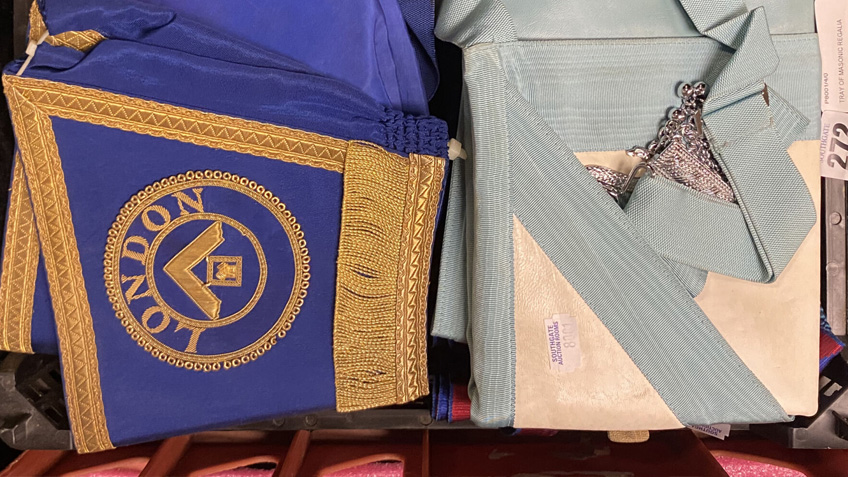
Understanding the Symbolism Behind Masonic Aprons and Jewels
Freemasonry is renowned for its rich use of symbols to convey lessons, values, and traditions. Among the many objects that carry symbolic meaning, the Masonic apron and Masonic jewels stand out as profound representations of moral teachings, brotherhood, and esoteric principles. This article explores the symbolism behind these cherished regalia, delving into their historical roots, design elements, and enduring relevance in modern Freemasonry.
1. Introduction to Freemasonry as a Symbolic Craft
Freemasonry is often referred to as a symbolic craft, where tools and objects are imbued with layers of meaning to teach moral and spiritual lessons. Symbols such as the square and compasses, the all-seeing eye, and the working tools are integral to Masonic regalia rituals and teachings. These objects serve as allegories for virtues like integrity, purity, and duty. By using physical items as metaphors, Freemasonry connects members to a larger philosophical framework.
2. Historical Foundations of Aprons and Jewels in Masonry
The Masonic apron traces its origins to the working aprons worn by operative masons during the medieval era. Over time, as Freemasonry transitioned to speculative Masonry, the apron evolved into a symbol of purity and service. Similarly, mason apron case were originally functional tools used in the craft but were later transformed into symbolic ornaments representing the offices and virtues of Freemasonry.
Key elements such as the white lambskin apron symbolize innocence and the desire to lead a virtuous life, while jewels like the square, level, and plumb rule highlight principles of equality, fairness, and uprightness.
3. The Role of Symbolism in Freemasonry Teachings
Freemasonry teachings heavily rely on symbolism to communicate complex ideas. The Masonic apron signifies humility, obedience, and the importance of performing one's duties with honor. On the other hand, Masonic jewels, often worn by lodge officers, symbolize their responsibilities and authority within the fraternity.
For instance:
- The square teaches members to live an upright life.
- The compasses represent the importance of keeping passions and desires in due bounds.
- The plumb line reminds members to act justly and remain true to their principles.
These symbols provide a framework for personal development and the pursuit of moral excellence.
4. The Masonic Apron: A Symbol of Purity and Service
The Masonic apron is one of the most recognizable symbols in Freemasonry. Made from white lambskin, it represents purity and a commitment to live a moral life. The apron is a visible reminder of the member's vows and obligations to uphold the values of Freemasonry.
Different aprons signify different degrees of Freemasonry:
- The Entered Apprentice apron reflects initiation and the beginning of one’s journey.
- The Master Mason apron showcases progression and deeper understanding of Masonic principles.
The apron’s design elements—such as its color, shape, and adornments—also carry deeper esoteric meanings, connecting members to allegorical teachings.
5. Design Elements of Aprons and Their Hidden Meanings
Every detail of a Masonic apron is purposeful. The white lambskin is not just a symbol of purity but also a reminder of the ancient operative masons who wore aprons for protection. Modern aprons may include symbols like:
- The All-Seeing Eye: Representing divine guidance and spiritual vigilance.
- The Square and Compasses: Signifying the balance between earthly and spiritual duties.
- Acacia Leaves: A symbol of immortality and resurrection.
These elements emphasize the importance of virtue, faith, and self-improvement in a Mason's life.
6. Jewels of Office: Roles and Responsibilities
Each lodge officer in Freemasonry wears a jewel that symbolizes their role and responsibility. The jewels often take the form of tools and instruments associated with the craft. For example:
- The Worshipful Master wears the square, representing moral rectitude.
- The Senior Warden carries the level, symbolizing equality and fairness.
- The Junior Warden bears the plumb rule, a reminder of upright conduct.
These jewels serve as physical reminders of the virtues that each officer must embody and promote within the lodge.
7. The Connection Between Tools and Moral Lessons
In Freemasonry, tools such as the square, level, and compasses are more than practical instruments—they are symbolic of moral teachings. The square, for instance, teaches members to "square their actions" with justice and fairness, while the compasses encourage the setting of boundaries in life. Together, these tools form the foundation of Masonic philosophy.
8. Esoteric and Spiritual Dimensions of Masonic Symbols
Beyond their practical and moral implications, Masonic aprons and jewels carry profound esoteric meanings. The square and compasses, for example, are often interpreted as representing the union of spirit and matter or the balance between the physical and spiritual realms. Similarly, the white lambskin apron is seen as a symbol of purity of the soul and the aspiration to ascend to higher spiritual planes.
9. Evolution of Symbolism in Speculative Masonry
The transition from operative masonry to speculative Masonry marked a significant evolution in the meaning of Masonic symbols. While the original tools were practical instruments for building, they now serve as allegories for personal growth, moral conduct, and spiritual enlightenment. This evolution reflects the enduring relevance of Freemasonry in addressing the deeper questions of life.
10. How Symbols Reflect Brotherhood and Unity
Both aprons and jewels are powerful reminders of the brotherhood and unity inherent in Freemasonry. They symbolize shared values, mutual respect, and a commitment to the greater good. Wearing these symbols reinforces the bonds of fraternity and the shared mission to build a better world.
11. Influence of Freemasonry Symbols on Art and Culture
Freemasonry symbols have significantly influenced art, architecture, and even popular culture. The square and compasses, for instance, are widely recognized as symbols of wisdom, strength, and beauty. These symbols often appear in literature, paintings, and monuments, serving as a testament to the enduring legacy of Masonic ideals.
12. Modern-Day Relevance of Masonic Aprons and Jewels
Today, Masonic aprons and jewels continue to inspire members to uphold the fraternity’s values. They serve as reminders of the timeless principles of integrity, service, and self-improvement, ensuring that Freemasonry remains a beacon of light in a changing world.
Conclusion: A Legacy of Symbolism
The Masonic apron and Masonic jewels are more than ceremonial objects; they are profound symbols of the fraternity’s rich history and guiding principles. By embracing the lessons these symbols represent, Freemasons continue to build a legacy of virtue, brotherhood, and enlightenment.